More Stories
Back to Blog

Which UAE Banks Work Best for Crypto? (Emirates NBD, ADCB, Mashreq, RAKBANK)
Team BlockX
June 30, 2026
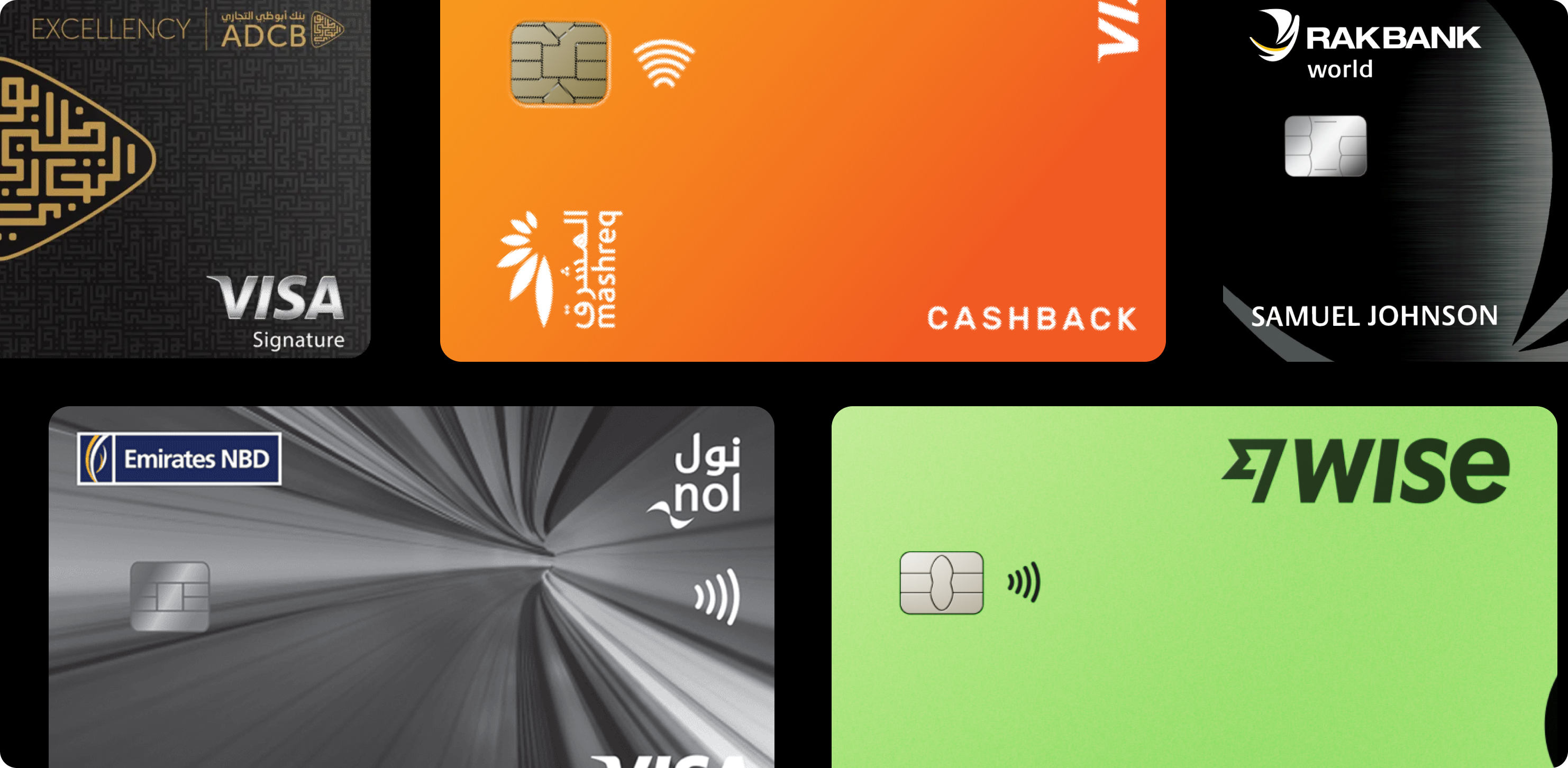

If you trade crypto in the UAE, your choice of bank quietly shapes the whole experience — how smoothly your transfers go through, whether your card gets blocked, and even whether you can buy crypto straight from your banking app. Crypto is fully legal here, but banks vary a lot in how they handle it.
Here's a practical, current look at how the UAE's major banks treat crypto, who's leading, and how to pick the right one for you.
No UAE bank brands itself as a "crypto bank," and all of them apply strict AML/KYC rules. What differs is how much friction you hit in practice — whether transfers to crypto platforms clear smoothly, whether crypto card payments are blocked, and whether the bank offers its own regulated crypto product. Policies also change quickly, and your experience can vary by account type and transaction size. Treat the below as a well-informed snapshot, not a guarantee.
RAKBANK has become the UAE's standout for retail crypto. It was the first traditional UAE bank to put regulated crypto trading directly inside its app, through a partnership with Bitpanda Broker MENA (a VARA-licensed VASP). Customers can buy, sell, and swap assets like Bitcoin, Ethereum, Solana, and XRP in AED, straight from their account, with no FX impact and instant settlement.
The UAE's largest bank has leaned in through its digital platform Liv X, which lets users buy, sell, and hold crypto via Aquanow, a VARA-registered digital-asset platform. Emirates NBD also works with regulated infrastructure and custody partners, signaling a serious, compliance-first commitment.
Mashreq, especially through its digital arm Mashreq Neo, has built a reputation for being more accommodating to fintech and crypto-adjacent activity, with fast digital onboarding. It's a common pick for younger, digitally native users.
Abu Dhabi Commercial Bank (ADCB) is widely supported for AED bank transfers and is a solid everyday bank, but it's taken a more cautious posture on direct crypto activity, exploring the space mainly through third-party partnerships. Notably, some licensed exchanges (like Rain) partner with ADCB for AED rails — so it can work well indirectly.
First Abu Dhabi Bank (FAB), the country's largest by assets, powers AED payment rails very widely (its Payit wallet is everywhere) and is active in tokenization and institutional digital-asset initiatives. For everyday retail crypto, though, it's relatively conservative.
Whatever bank you use, the universal good habits apply: use licensed platforms, notify your bank before large transfers, and keep source-of-funds records. If your transfer ever gets stopped, our guide on why UAE banks block crypto transfers walks through the fixes.
Here's the practical edge of peer-to-peer trading: it works with any UAE bank. Because P2P trades settle as ordinary local AED transfers between verified people, you're not reliant on your bank having a crypto product — and these payments tend to clear with far less friction than wires to exchanges. You keep your existing bank, settle in dirhams, and trade through escrow.
That's exactly what BlockX is built for — a non-custodial, peer-to-peer marketplace where AED settles through smart-contract escrow with verified counterparties, with AED among our launch currencies. (See the complete guide to P2P crypto trading in Dubai and the best UAE payment methods.)




.png)
Copyright © 2026
BlockX. All Right Reserved.

BlockX Digital Inc. is a technology infrastructure company. BlockX does not provide financial services, investment advice, or act as a money transmitter. Nothing on this website constitutes a financial product offer or solicitation.
