More Stories
Back to Blog

Flash USDT scam: how to tell if a USDT payment is real
Team BlockX
November 11, 2026
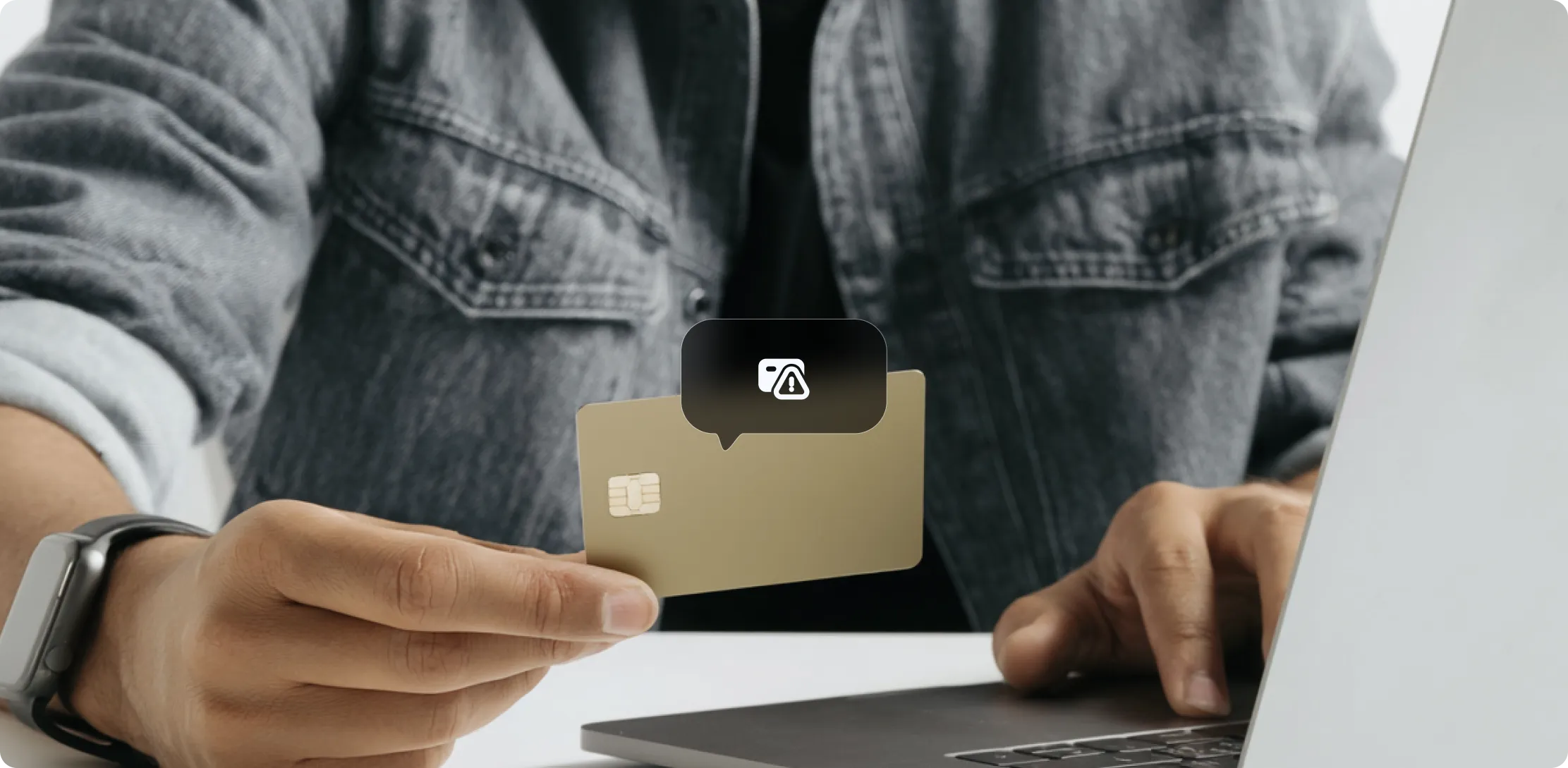

“Flash USDT” is sold online as a special kind of Tether that appears in a wallet, can supposedly be spent for a while, and then disappears. Tether has no such product. As a Plasma explainer puts it, flash USDT is a scheme that creates the illusion of a transfer, not an asset with any value.
What the victim actually receives is one of two things: a token that merely carries the USDT name, or a transaction that never settled. In both cases the person “paying” hopes you will hand over something real — dirhams, goods or genuine crypto — before you notice.
USDT on each blockchain is created by a specific smart contract. Tether lists those contracts on its supported protocols page. A token from any other contract is not Tether’s USDT, whatever it is called.
This is the most common form. A scammer deploys their own token, names it USDT, “Tether USD” or a near variant such as USTD or USDTX, copies the green logo, and sends it to you. The wallet shows a USDT balance, but the token has no value and no market, according to imToken’s security report.
These tokens are cheap to make on low-fee chains such as TRON and BNB Chain, which is why they are sprayed at many wallets at once as unsolicited “airdrops”. imToken also warns that an explorer label showing the tokens came from an exchange hot wallet is not an endorsement: it only means the transfer passed through an exchange-linked address.
The trick is in active use. In September 2026, Bitcoin.com News reported that scammers in Venezuela were paying shop merchants in counterfeit USDT with a different contract address; in one case cited, the loss exceeded $5,500.
Here the “proof of payment” is staged. Common methods include:
The third version targets people who want to send fake USDT themselves. Sites and posts advertise “flash USDT sender” or “generator” software that supposedly creates spendable USDT for a fee. No program can create Tether’s USDT; only Tether’s contracts issue it. The MEXC blog warns that such tools may carry malware, including clipper programs that swap a copied wallet address for the attacker’s.
Do not interact with an unknown token while you check. Do not try to swap or “activate” it, do not connect your wallet to a site that claims to verify or unlock it, and never approve a contract or enter a seed phrase. Some of these sites exist only to obtain spending approval over your real funds.
If you already sent something, act quickly: report the case and give investigators the transaction hashes. Blockchain transfers cannot be reversed by the sender, so recovery depends on police and platforms tracing and freezing funds, and it is not assured.
The people selling “flash” tokens or software are usually stealing from their own customers. In May 2024, threat-intelligence firm ZeroFox found fake USDT offered on dark-web forums at 0.5–2% of face value; one buyer reported paying $50 for 2,500 tokens that did not show up in his wallet automatically and lacked the USDT logo. The seller admitted the tokens could not be swapped for other crypto.
In other words, the only realistic use of such tokens is to deceive a person into accepting them as payment. That is fraud. Under Article 40 of Federal Decree-Law No. 34 of 2021, using fraudulent methods online to obtain property or benefits carries at least one year in prison and/or a fine of Dh250,000 to Dh1 million, according to Gulf News, citing the Abu Dhabi Judicial Department.
The three steps confirm that a token is genuine USDT and that it arrived. They do not tell you whether the sender came by the funds legitimately, whether the address is linked to stolen money, or whether the person will honour the rest of the deal. Genuine USDT can still be frozen by Tether if it is tied to crime, so checking the counterparty matters as much as checking the token.
This article is general information and is current as at the date shown above. Figures cited are snapshots from the sources listed and change over time. Contract addresses should always be checked against Tether's own website on the day you use them. Nothing here is legal, tax or financial advice, and nothing on this website constitutes a financial product offer or solicitation.



Copyright © 2026
BlockX. All Right Reserved.

BlockX Digital Inc. is a technology infrastructure company. BlockX does not provide financial services, investment advice, or act as a money transmitter. Nothing on this website constitutes a financial product offer or solicitation.
