More Stories
Back to Blog

Is P2P Crypto Trading Safe? How Escrow Actually Protects Both Sides
Team BlockX
June 13, 2026
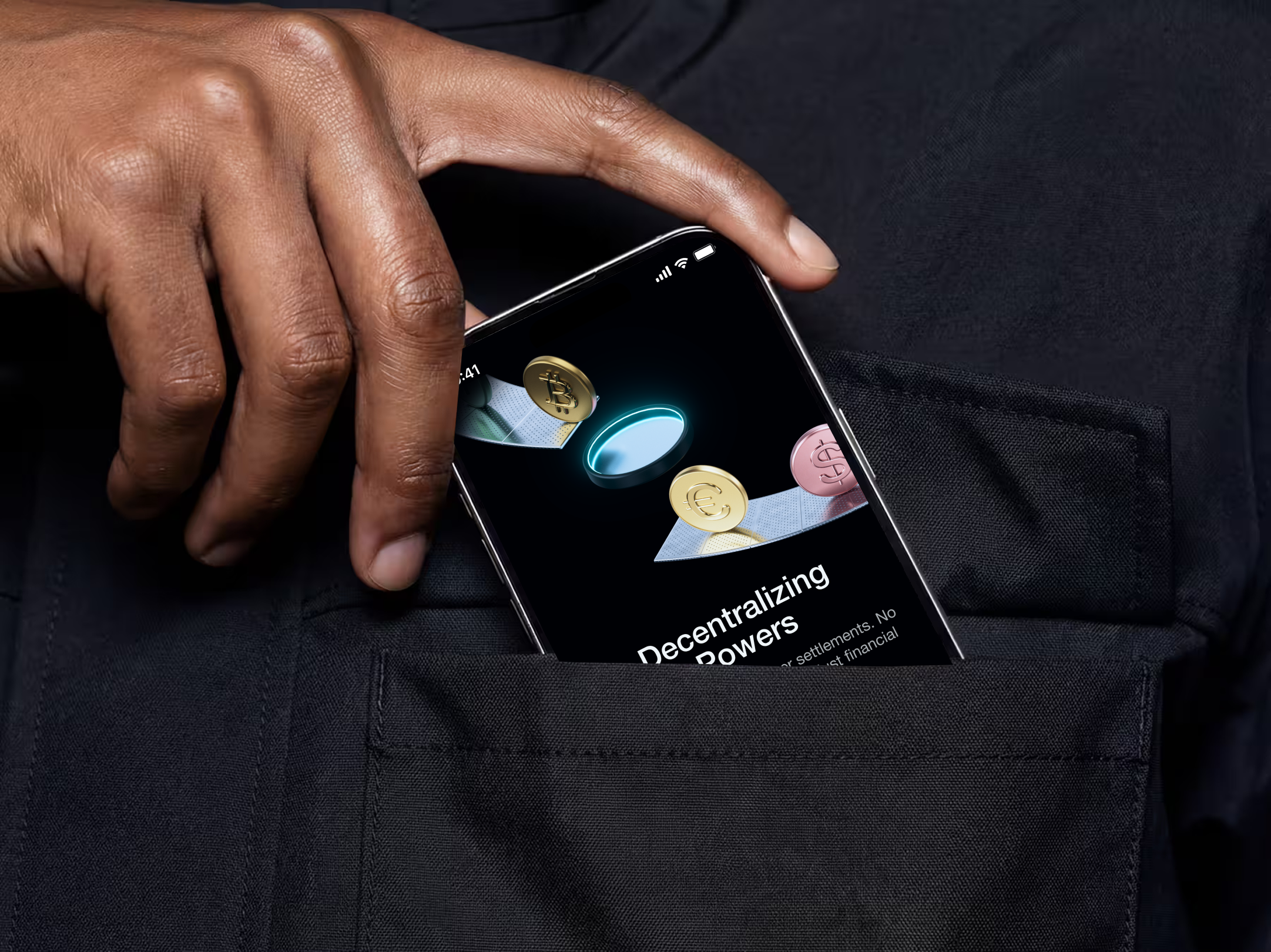

Peer-to-peer (P2P) crypto trading lets two people swap crypto and money directly, without an exchange holding either side's funds. It's fast, borderless, and increasingly popular — but the first question anyone sensible asks is the right one: if there's no middleman, what stops the other person from taking my money and disappearing?
The short answer: P2P crypto trading is safe when it runs on an escrow system, verified counterparties, and a few disciplined habits on your part. Escrow is the mechanism that turns a trade between two strangers into a structured, enforceable transaction. This guide explains exactly how it works, what it protects against, what it doesn't, and how to trade without becoming a statistic.
Every P2P trade has the same built-in tension: someone has to move first.
If the buyer sends payment before receiving crypto, the seller could simply vanish. If the seller sends crypto before payment lands, the buyer could disappear instead. Without a neutral mechanism in the middle, one party always carries all the risk. This is called counterparty risk, and it's the single reason informal "let's just send it directly" crypto deals go wrong so often.
Escrow exists to remove that problem. Instead of trusting the other person, both sides trust a locked, rule-based holding mechanism that only releases funds when the agreed conditions are met.
Escrow is a holding arrangement: an asset is locked by a neutral mechanism and released only when predefined conditions are satisfied. In P2P crypto, the flow looks like this:
The order of operations is the whole point. The crypto is already locked before the buyer parts with any money, so the buyer can pay knowing the asset is committed. And the seller doesn't release anything until payment is confirmed. Neither side can skip the sequence without creating risk for themselves — which is exactly what makes strangers willing to trade.
A typical P2P trade has three moving parts working together: matching (finding a counterparty), escrow (locking funds during the trade), and reputation (knowing who you're dealing with). Escrow handles the money. Reputation handles the human.
Here's where many guides stop — and where the most important distinction actually lives. Not all escrow is built the same way, and the model a platform uses determines who really controls your funds.
Custodial escrow means a company holds your crypto in its own wallets during the trade. The company controls the private keys and manually releases funds. You're trusting that the company is solvent, honest, and won't freeze your account. The history of crypto is full of custodial platforms that failed on exactly this promise — Mt. Gox, QuadrigaCX, FTX — where "trust us" eventually became "the funds are gone."
Non-custodial escrow removes the company from the equation entirely. Funds are locked in a smart contract — code published on a blockchain — rather than in a company wallet. No employee, server, or hacker can reach into that contract and take the assets, because there are no company-held keys to access. The release conditions are enforced automatically by the code, and anyone can audit how that code behaves.
The practical implications are large:
The tradeoff to be honest about: in a non-custodial model, you're trusting code instead of a company. That's why audited contracts and reputable platforms matter (more on the limits below).
From the buyer's side, escrow guarantees the asset is real and committed before money changes hands:
Sellers are protected too, which is what people often miss. Escrow isn't a buyer-only safety net:
This symmetry is why escrow is described as a safety lock for both sides, not just consumer protection for buyers.
This is the section most platforms skip — and it's exactly the section that keeps you safe. Escrow reduces one type of risk: counterparty default during the trade. It does not eliminate bad human behavior, and pretending otherwise is how people get scammed. Watch for these:
A simple final filter: good P2P trading feels methodical, not rushed. Urgency is the scammer's favorite tool.
Escrow's quiet superpower is what happens when a trade doesn't go smoothly. Because funds stay locked until conditions are met, a stalled or contested trade doesn't mean lost money — it means a dispute.
In a dispute, both parties submit evidence (payment proofs, on-platform chat history) and an arbitrator or moderator reviews the case. Crucially, in well-designed non-custodial systems, the arbitrator's role is limited to deciding who is right — signing off on which party the locked funds should go to — not taking control of the funds themselves. This is why keeping every conversation and receipt on-platform matters so much: that record is your evidence if you ever need it.
Before and during any P2P trade, run through this:
Do these consistently and you've eliminated the large majority of ways P2P trades go wrong.
BlockX is built around the non-custodial model described above. Funds are held in smart-contract escrow during a trade — never in a company wallet — so there's no central pool of assets for anyone to steal, and your keys and assets stay yours outside of an active trade. Every merchant is verified before they can post an offer, reputation and activity signals help you choose who to trade with, and a 24/7 dispute resolution process backs you up if a trade goes sideways. The design goal is simple: combine the freedom of peer-to-peer settlement with the structure that makes it safe to use.



.png)
Copyright © 2026
BlockX. All Right Reserved.

BlockX Digital Inc. is a technology infrastructure company. BlockX does not provide financial services, investment advice, or act as a money transmitter. Nothing on this website constitutes a financial product offer or solicitation.
