More Stories
Back to Blog

KYC and the Travel Rule Explained for UAE P2P Users
Team BlockX
June 28, 2026
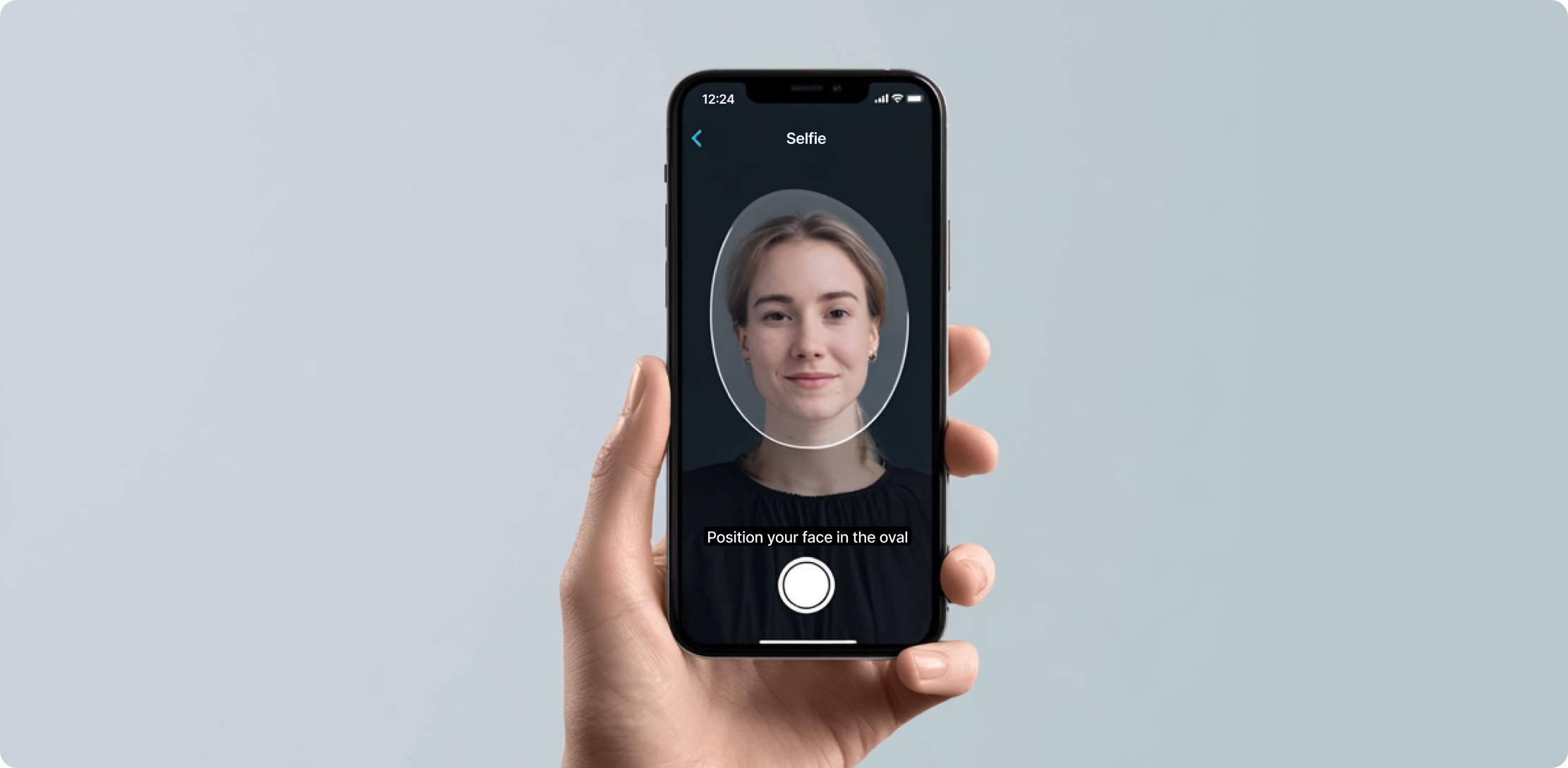

If you've traded crypto in the UAE, you've met KYC — the ID check when you sign up. And if you've ever moved a larger amount between platforms, you may have brushed up against the Travel Rule without knowing its name. Both can feel like friction, but they're actually what makes the UAE one of the safest, most legitimate places in the world to trade crypto.
This is a plain-English guide to what KYC and the Travel Rule are, how they work for everyday P2P users in the UAE, and why — far from being a hassle — they're on your side.
KYC — Know Your Customer — is the process a regulated platform uses to verify your identity before you trade. In the UAE you'll typically provide:
It's a one-time setup (with occasional refreshes), and it's required because UAE-licensed platforms operate under strict anti-money-laundering (AML) rules. KYC is the front door: it ties an account to a real, verified person, which is exactly what keeps anonymous bad actors out of the system.
Think of it less as surveillance and more as a bouncer checking IDs — it's what makes the room safe for everyone inside.
The Travel Rule is an international standard (from the FATF, the global financial-crime watchdog — specifically Recommendation 16) that's been applied to crypto. In plain terms:
When a regulated platform sends crypto above a set amount to another regulated platform, certain information about the sender (originator) and receiver (beneficiary) must "travel" along with the transfer.
It's the crypto version of the sender/recipient details that automatically accompany a traditional bank wire. The rule doesn't block transfers — it just removes anonymity at the points where value moves between regulated businesses, so criminals can't move funds invisibly.
The UAE was an early and thorough adopter, building on a federal AML foundation and implemented by local regulators. In Dubai, it's set out in VARA's Compliance & Risk Management Rulebook. The essentials for users:
A couple of UAE-specific details worth knowing: licensed platforms don't execute transfers of privacy coins (tokens designed to hide transaction details), and transfers to or from self-hosted (unhosted) wallets above the threshold get extra scrutiny — the platform may ask you to confirm you own the wallet or verify your source of funds. That's normal, not a red flag against you.
Here's the reassuring part: for everyday P2P trading, the compliance work sits with the platform, not you. Your practical experience is simply:
In short: do your KYC, trade with verified counterparties, and you'll rarely think about the Travel Rule at all.
It's tempting to see KYC and the Travel Rule as hoops to jump through. In reality, they're a big part of why crypto in the UAE feels trustworthy:
This fits naturally with how a non-custodial P2P marketplace like BlockX is designed: verified counterparties and smart-contract escrow, so safety and legitimacy are built in rather than bolted on. (For the bigger picture, see our complete guide to P2P crypto trading in Dubai.)




.png)
Copyright © 2026
BlockX. All Right Reserved.

BlockX Digital Inc. is a technology infrastructure company. BlockX does not provide financial services, investment advice, or act as a money transmitter. Nothing on this website constitutes a financial product offer or solicitation.
