More Stories
Back to Blog

How to Buy Crypto Peer-to-Peer: A Beginner's Step-by-Step Guide
Team BlockX
June 13, 2026
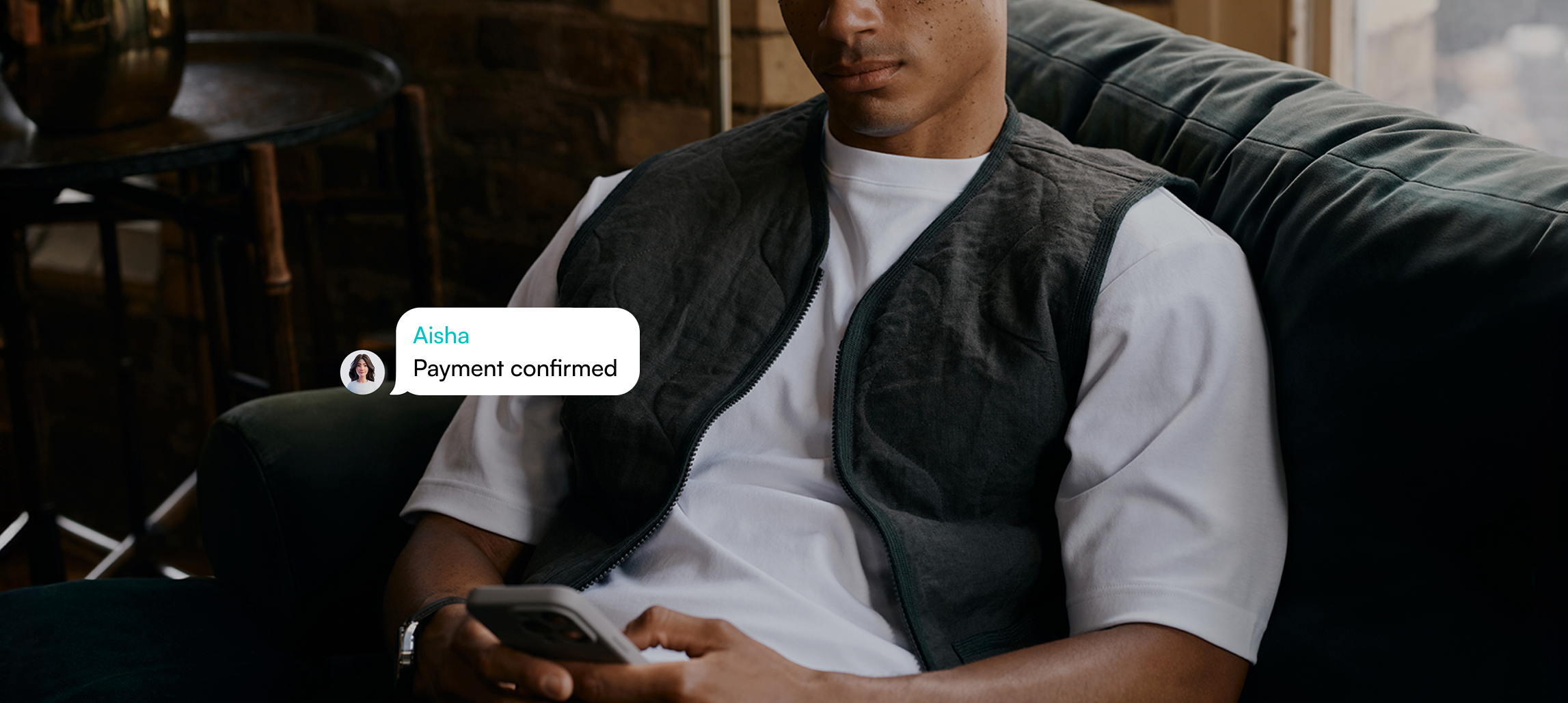

Buying crypto peer-to-peer (P2P) means purchasing directly from another person instead of from an exchange's order book. You pay them in your local currency using a method you already use — a bank transfer, card, or mobile money — and an escrow system holds the crypto until you've paid, so neither side can cheat the other. It's one of the most beginner-friendly ways to get your first crypto, and this guide walks you through the entire process from start to finish.
That's the whole flow. The rest of this guide explains each step so you know exactly what to expect and how to avoid the few mistakes beginners make.
Create your account on the P2P platform and complete any identity verification it requires. Verification protects everyone by keeping bad actors out, and it's usually a one-time step.
Next, sort out where your crypto will land. If you're using a self-custody wallet (where you hold the keys), connect it and — importantly — back up your recovery phrase somewhere safe and offline. If the platform provides a wallet, your crypto will appear there after the trade. Either way, know your receiving address before you start.
Decide what you want to buy (for example, USDT, Bitcoin, or Ethereum) and how much. Then browse the available offers. Each offer is posted by a seller and lists:
Filter the list by your currency and preferred payment method, then pick an offer whose limits fit the amount you want to spend. As a beginner, favor a clearly priced offer from an established seller over the absolute cheapest one.
This is the step beginners skip and later regret. Before opening a trade, look at the seller's track record:
A seller with hundreds of completed trades and a 98–100% completion rate is a far safer first counterparty than a brand-new account. If anything feels off, simply choose another offer — there are always more.
Read the offer's terms carefully so you understand exactly how to pay. Different methods behave differently:
Make sure you can actually send payment the way the offer requires before you open the trade. If the terms are unclear, ask the seller in the platform chat first.
Enter the amount you want to buy and start the trade. The moment you do, the seller's crypto is locked in escrow — a secure holding mechanism that neither you nor the seller can touch until the trade completes.
This is the heart of what makes P2P safe: the crypto is already set aside and committed before you send any money. The seller can't sell it to someone else or pull it away mid-trade. (If you want the full picture of how this protection works on both sides, see our guide on whether P2P crypto trading is safe.)
Now pay the seller using the exact method and account details shown in the trade. A few rules that keep first-timers out of trouble:
Once your payment is sent, click the "I've paid" (or "Payment completed") button in the trade. This signals the seller to check their account.
Then save your proof of payment — a screenshot or receipt showing the amount, date, and recipient. Keep all communication inside the platform chat. If a dispute ever arises, this record is your evidence.
The seller verifies the money has landed in their account and confirms the trade. Escrow then releases the crypto to you automatically, and it appears in your wallet.
One critical rule works in reverse here, so it's worth knowing as a buyer: a trustworthy seller only releases after confirming real payment. Never trust a seller who asks you to cancel a trade or move off-platform after you've paid — keep everything in the official trade flow until your crypto arrives.
Once the crypto is yours, think about where it should live. If you're holding it for the longer term, moving it to a self-custody wallet you control — rather than leaving it on a platform — gives you full ownership. Back up your recovery phrase, never share it with anyone, and you're done.
If you're unsure, a standard bank transfer is usually the easiest and safest starting point: it's traceable, widely accepted, and hard to reverse, so sellers trust it and disputes are rare. Cards and mobile money are fine for speed and convenience. Be a little more cautious with any method that can be reversed after the fact, since those carry more friction and risk. Whatever you choose, only ever confirm a trade once the payment has genuinely left your account.



.png)
Copyright © 2026
BlockX. All Right Reserved.

BlockX Digital Inc. is a technology infrastructure company. BlockX does not provide financial services, investment advice, or act as a money transmitter. Nothing on this website constitutes a financial product offer or solicitation.
