More Stories
Back to Blog

Tokenized Gold vs Buying Gold in Dubai: What You Actually Own
Team BlockX
October 15, 2026
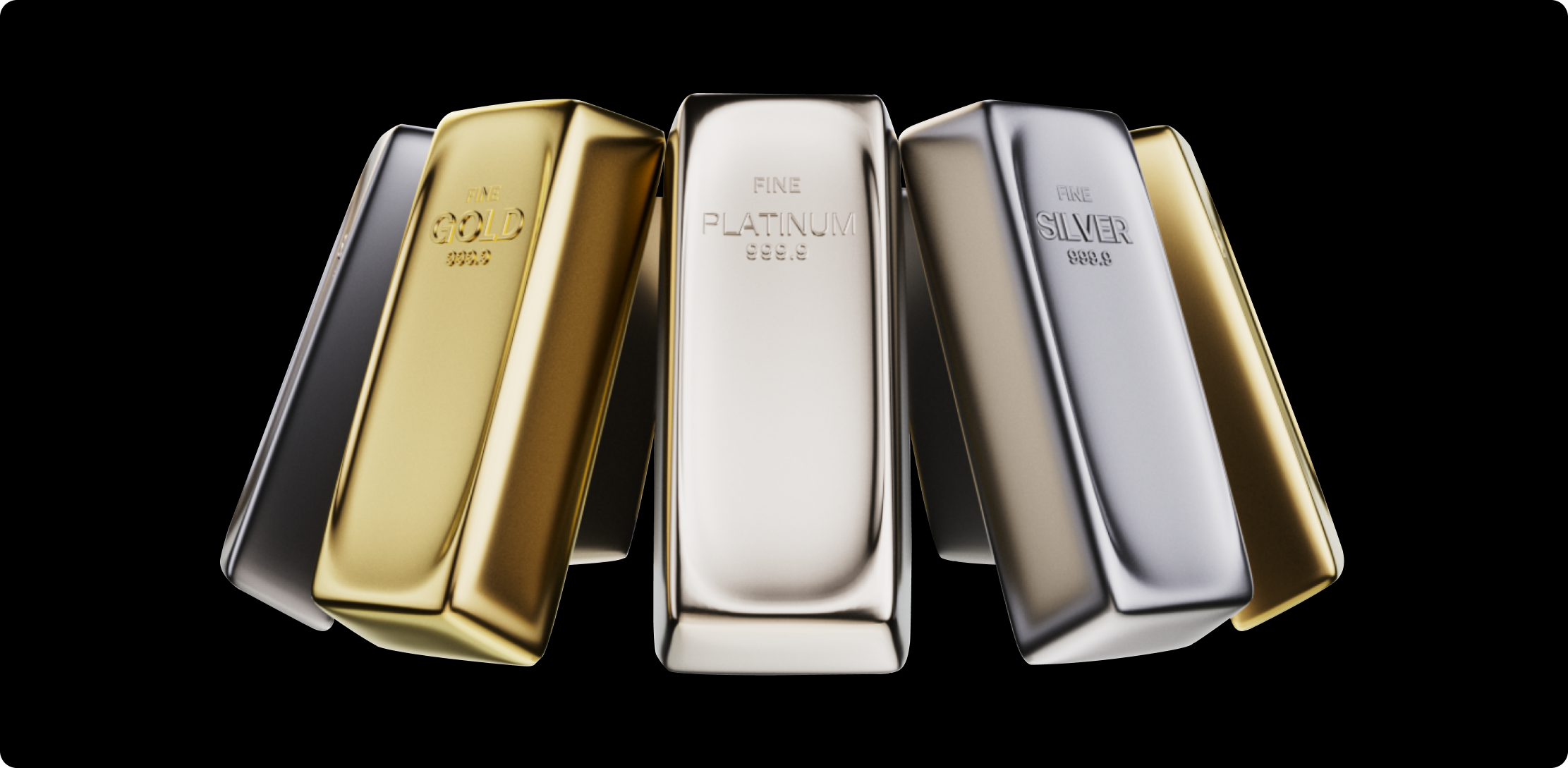

Dubai is one of the few places in the world where buying gold is an ordinary errand. The Gold Souk in Deira, the malls, the bullion counters — the price is posted, the purity is stamped, and you walk out with it.
Gold tokens promise the same metal without the walk. A token on a blockchain stands for an amount of gold held by an issuer, and can be bought in fractions, moved in minutes and sold at any hour.
Both are gold. What differs is what, exactly, is yours — and that difference is the whole point of this article.
The mechanics are well established:
The trade-offs are familiar: dealer spreads and making charges on the way in, a discount when you sell back, and the practical burden of keeping something valuable safe. In return, ownership is simple. The bar is yours, in your hands, and no third party sits between you and it.
Two tokens make up most of the market, and they are built differently.
PAX Gold (PAXG) is issued by Paxos Trust Company. Each token equals one fine troy ounce of London Good Delivery gold — the standard for bars traded in the London market — held in vaults in London. Paxos was regulated by New York's financial regulator for years; in December 2025 the US Office of the Comptroller of the Currency approved its conversion to a national trust charter, so it is now federally supervised. Paxos publishes monthly attestations of its gold holdings.
Tether Gold (XAU₮) is issued by TG Commodities, a company registered as a digital asset issuer in El Salvador. Each token also represents one troy ounce of gold on a London Good Delivery bar, held in Switzerland. Tether reports its reserves quarterly; at the end of June 2026 they stood at about 707,700 ounces — roughly 22 tonnes. In July 2026 Abu Dhabi Global Market's regulator recognised XAU₮ as an accepted spot commodity, which means firms authorised in ADGM may offer services involving it, subject to their own approvals.
There are local examples too. Comtech Gold, launched in 2022 on DMCC's Tradeflow platform, represents one gram of gold per token, backed by 999.9-purity kilobars in DMCC-approved vaults in Dubai. DMCC has since signed tokenization partnerships with VARA, Crypto.com and Tether, though none of those has yet produced a new retail gold product.
This is where the comparison gets precise. Marketing language for gold tokens tends to say you "own gold". The legal documents are more careful, and more interesting.
Both structures are designed so that the gold is not simply the issuer's property to spend. But in both, the path between you and the metal runs through the issuer, its custodian and its legal jurisdiction — London and New York for one, Switzerland and El Salvador for the other. A bar bought in Dubai has no such path. It is just yours.
A gold token is often described as redeemable for physical gold. It is — at a scale few retail holders reach.
At around $4,100 an ounce in early October 2026, a single bar is worth roughly $1.8 million. For almost every holder, then, "redeemable" in practice means sellable for cash — which is useful, but it is a different thing from collecting a bar.
Fees are also moving. Paxos introduced a redemption fee from 1 September 2026, starting at 0.125%, and creation fees currently waived are due to return in January 2027. Paxos does not charge storage fees at present, though its terms allow it to start, with notice.
One difference has no equivalent in the physical world. Paxos's terms state that it "has the ability and the right to freeze" PAXG tokens, with or without advance notice. Token issuers use these powers to comply with law enforcement and sanctions requirements, and they are part of what makes a regulated token regulated. They are also a reminder that the token lives on someone else's system.
Neither is simply better. Physical gold is the most direct form of ownership there is, at the cost of convenience. A token gives up some of that directness in exchange for divisibility and speed. The useful question is not which is "real gold", but which set of dependencies you are prepared to accept.
This article is general information and is current as at the date shown above. Prices, fees, redemption terms and regulatory approvals change; check the current documents of the specific issuer or dealer. Nothing here is investment, legal or tax advice, and nothing on this website constitutes a financial product offer or solicitation.



.png)
Copyright © 2026
BlockX. All Right Reserved.

BlockX Digital Inc. is a technology infrastructure company. BlockX does not provide financial services, investment advice, or act as a money transmitter. Nothing on this website constitutes a financial product offer or solicitation.
