More Stories
Back to Blog

Tokenized Treasuries & Gold: A New Way to Hold Real-World Assets On-Chain
Team BlockX
June 20, 2026
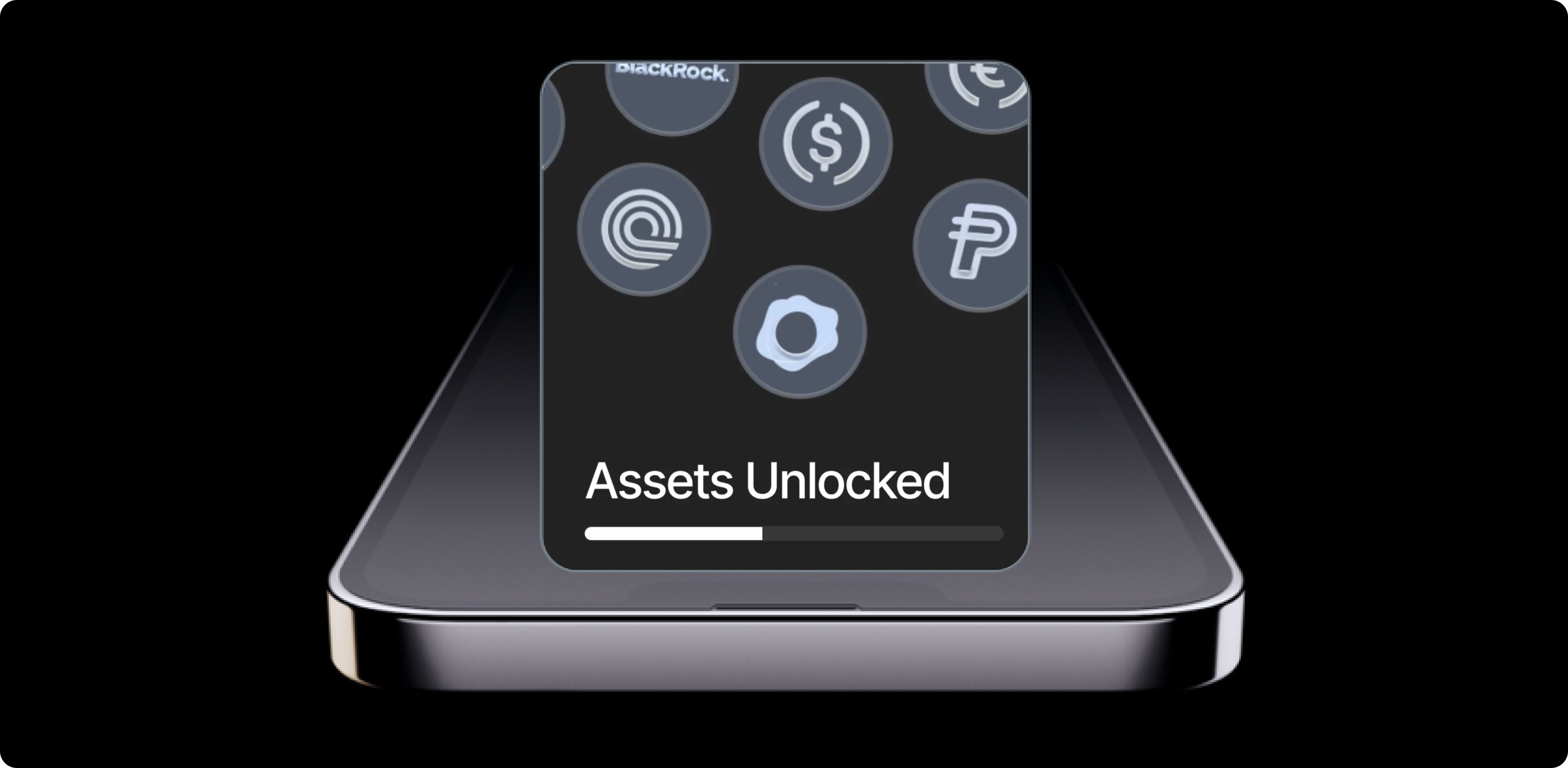

Two of the oldest, most trusted assets in finance — government bonds and gold — have quietly become two of the fastest-moving stories in crypto. Their tokenized versions let you hold T-bill yield and physical-gold exposure right in your own wallet, trade them around the clock, and settle them in minutes. No broker, no bullion dealer, no waiting for markets to open.
Here's what tokenized Treasuries and gold are, why they're booming in 2026, and how holding them on-chain actually works.
Tokenized real-world assets (RWAs) have moved from experiment to genuine market. The total value of tokenized RWAs has grown more than 250% in roughly fifteen months (CoinGecko), and the institutions that run global markets — Nasdaq, the NYSE, and the DTCC among them — have started building tokenized securities into their infrastructure, with US regulators issuing their first formal guidance on tokenized securities in early 2026.
Within that, two categories stand out: Treasuries and gold.
A tokenized Treasury is a blockchain token that represents a share of a fund holding short-term US government debt (or a money market fund built around it). Because those instruments pay interest, holding the token can give you exposure to that yield — settled and tracked on-chain rather than through a brokerage statement.
This is the largest tokenized-asset category by far. Tokenized Treasuries crossed $10 billion in February 2026 and grew to roughly $13 billion soon after (RWA.xyz), with offerings from major financial institutions among the leaders — one flagship tokenized fund alone holds billions. The appeal is straightforward:
A tokenized gold coin is a blockchain token backed by real, physical gold held in professional vaults — typically with each token representing about one fine troy ounce. The two largest, PAXG (Paxos) and XAUT (Tether), dominate the category and together drove the lion's share of its recent growth.
Demand has been remarkable: tokenized gold spot trading reached a record $90.7 billion in the first quarter of 2026 alone — more than the entire previous year combined (CoinGecko), as people sought a blockchain-based safe haven amid a strong gold market. The advantages over traditional gold ownership are clear:
The common thread is control and convenience. When you hold a tokenized Treasury or gold token, it sits in a self-custody wallet you control — not in a broker's account or a custodian's vault statement. You can move it, trade it, or settle it peer-to-peer any time, anywhere, without asking permission or waiting for market hours. (New to holding your own keys? See our plain-English guide to self-custody.)
It's a genuinely new way to relate to old assets: the stability of Treasuries and gold, with the freedom and speed of crypto.
The process mirrors getting any on-chain asset:
For a fuller walkthrough of accessing these assets broker-free, see our guide on how to get exposure to tokenized stocks, gold, and Treasuries.
This is exactly the world BlockX is building for: a non-custodial, peer-to-peer marketplace where real-world assets settle directly between verified counterparties, protected by smart-contract escrow, with no one taking custody of your funds. (See how escrow protects both sides.) BlockX is launching soon — join the waitlist for early access.
Tokenized Treasuries and gold are powerful, but they come with considerations worth understanding:
As always, research the specific product and issuer — and consult a professional — before deciding what fits your goals.



.png)
Copyright © 2026
BlockX. All Right Reserved.

BlockX Digital Inc. is a technology infrastructure company. BlockX does not provide financial services, investment advice, or act as a money transmitter. Nothing on this website constitutes a financial product offer or solicitation.
