More Stories
Back to Blog

USDT to AED: How to Get the Best Exchange Rate in the UAE
Team BlockX
July 7, 2026
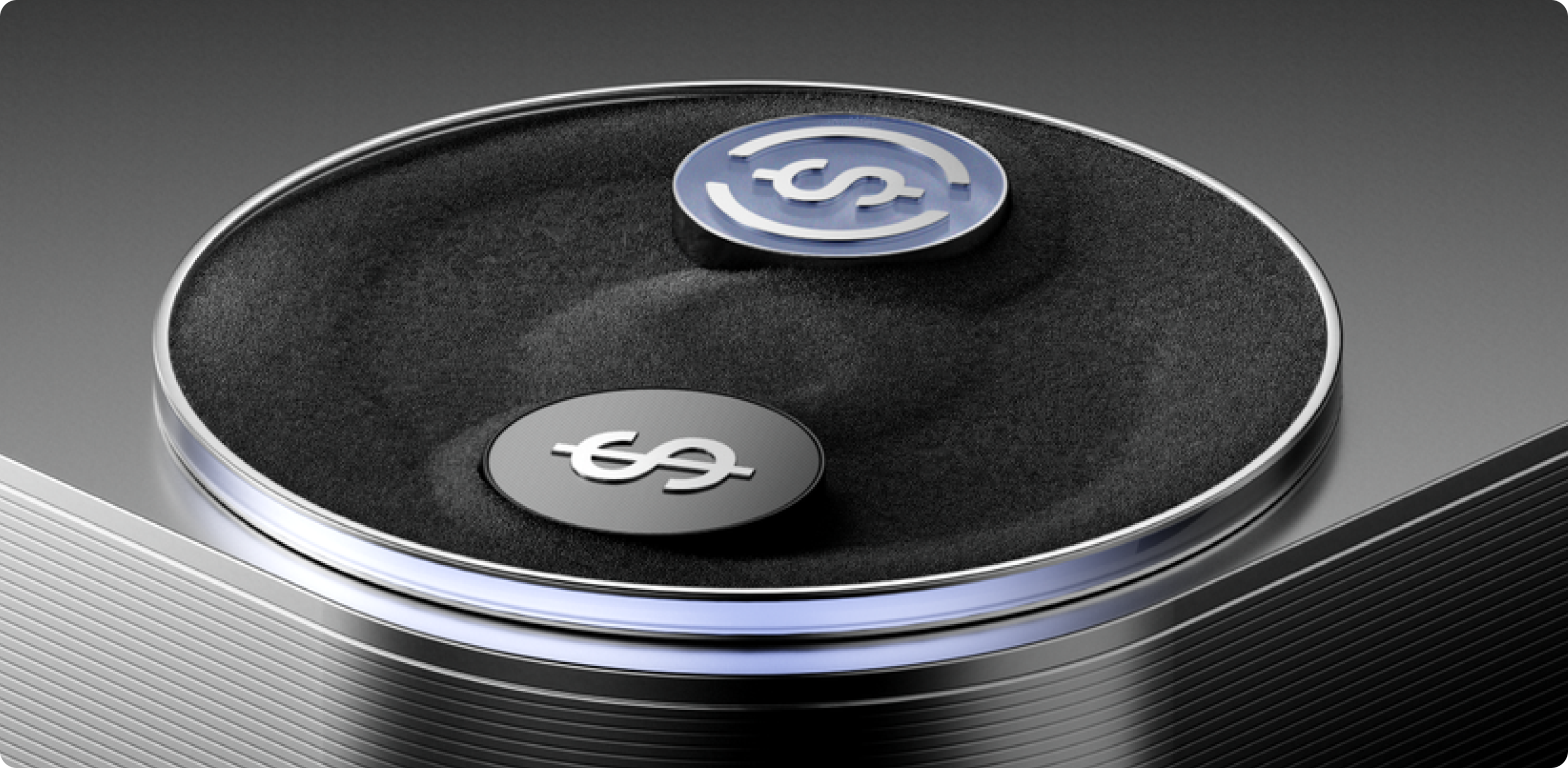

When you convert USDT to AED, the number that decides how much you actually pocket isn't the fee — it's the rate. USDT is worth about one US dollar, and the dirham is pegged near 3.6725 to the dollar, so there's a clear reference price. The gap between that reference and what you're offered is where your money quietly leaks. Here's how to keep more of it.
Because USDT tracks the dollar and AED is pegged to the dollar at roughly 3.6725, 1 USDT is worth about 3.67 AED before costs. Knowing this anchor is your superpower — any offer far below it is charging you a wide spread, whatever the headline '0% fee' says.
Most platforms and merchants make money on the spread, not (only) on fees. A '0% fee' offer at a poor rate can cost more than a small explicit fee at a tight rate. Always translate an offer back into AED per USDT and compare to the reference.
A rate that looks too good is often bait to pull you off-platform. Keep every trade in escrow, never move to WhatsApp for a 'better deal', and confirm payment before release. A slightly worse rate on a safe, escrow-backed trade beats a great rate that never settles.
Once you've locked a good rate, follow through with converting crypto to AED or cashing out. Buying instead? Here's buying USDT with AED.
USDT tracks the US dollar, and the dirham is pegged at about 3.6725 per dollar, so 1 USDT is worth roughly 3.67 AED before fees and spread. Your actual rate depends on the platform or merchant.
Because most of the cost is the spread — the margin over the reference price — which each counterparty sets. That's why comparing offers matters more than hunting for '0 fees'.
Compare several offers, favour liquid payment methods, use OTC for large sums, watch network fees, and always translate an offer into AED per USDT to compare fairly.
Not necessarily. A zero-fee offer at a wide spread can cost more than a small fee at a tight rate. Judge total cost, not the headline.
Yes. Larger trades usually get tighter quotes, especially through an OTC desk.
Getting the best USDT→AED rate isn't luck — it's knowing the ~3.67 reference, reading the spread, comparing a few offers, and factoring every fee. Do that on a licensed, escrow-backed platform and you'll consistently keep more dirhams per trade.
BlockX is the self-custody P2P marketplace built for competitive, transparent pricing, with AED among our launch currencies. Join the waitlist for early access.
This article is for general educational purposes only and is not financial, tax or legal advice. Rates and rules can change; verify current details with the relevant platform or a qualified professional. BlockX is a technology infrastructure company. It does not provide financial services or investment advice and does not act as a money transmitter.




Copyright © 2026
BlockX. All Right Reserved.

BlockX Digital Inc. is a technology infrastructure company. BlockX does not provide financial services, investment advice, or act as a money transmitter. Nothing on this website constitutes a financial product offer or solicitation.
