More Stories
Back to Blog

How to Convert Crypto to Cash (AED) in Dubai and the UAE
Team BlockX
July 7, 2026
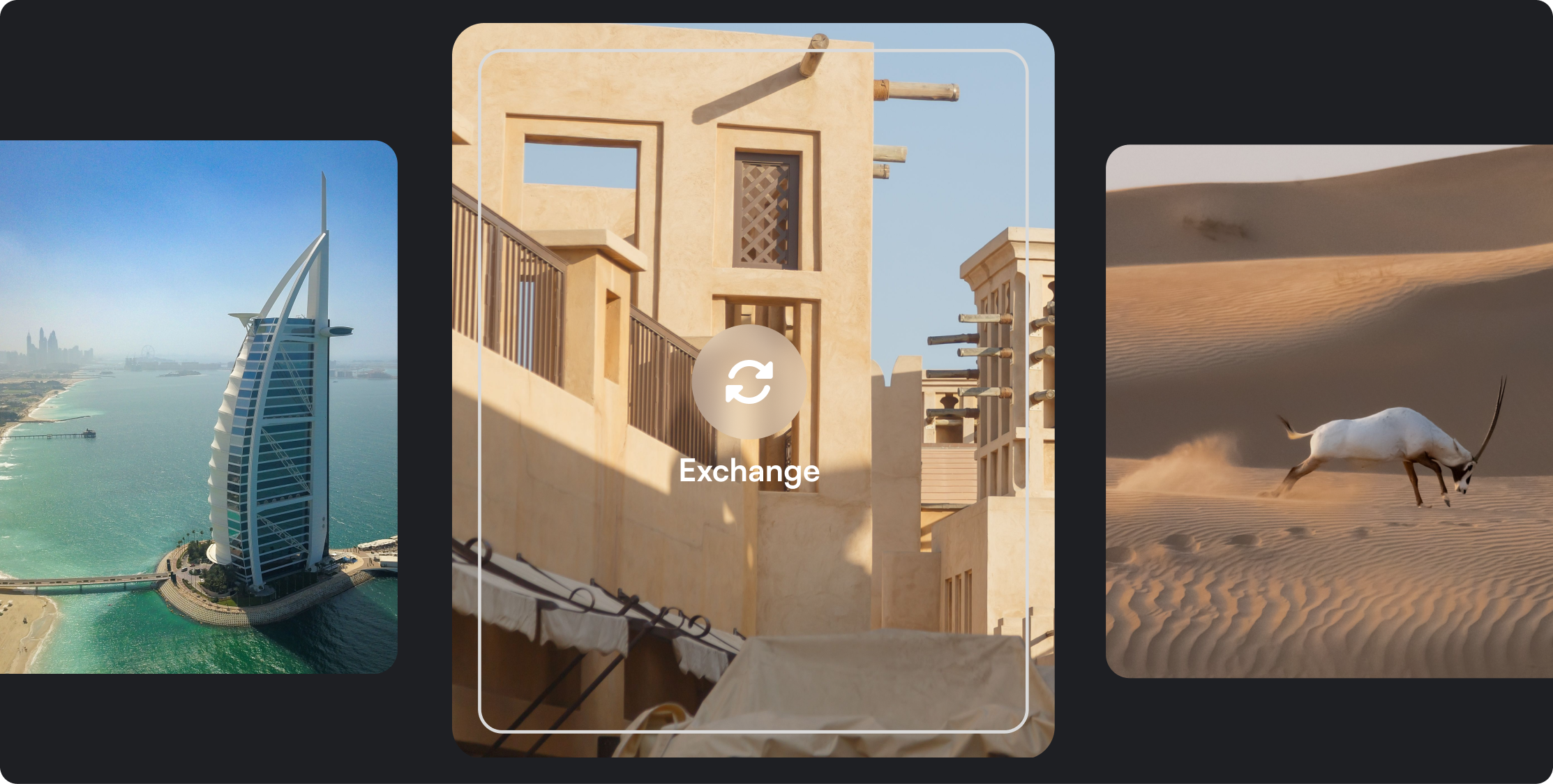

Wondering how to convert crypto to cash in the UAE? For most people holding crypto in Dubai, the moment that matters isn't buying — it's turning that crypto back into dirhams you can actually spend or move into your bank. Whether you're realising profit, paying a bill, or moving money home, converting crypto to AED is the core skill. This guide covers every route, what each costs, how to get your dirhams as a bank transfer or cash, and how to do it safely and legally in the UAE.
Converting crypto to dirhams is two steps that often happen together: pricing your crypto in AED, and settling that value into a payment method you can use — a UAE bank transfer, cash, or an AED wallet. In practice most conversions run through USDT or USDC, because a dollar-pegged stablecoin gives you a stable, predictable AED value rather than a moving target. Since the dirham is pegged to the US dollar, USDT→AED is unusually clean.
1. P2P marketplace. You trade directly with another person, agree an AED price, and the platform holds the crypto in escrow until payment lands. Best for everyday amounts, flexible local payment methods, and keeping funds in your own wallet until the trade completes. See our beginner's P2P guide.
2. OTC desk. For larger conversions (typically five figures and up), an over-the-counter desk quotes a single price with direct AED settlement and little slippage. Convenient for big one-off conversions.
3. Licensed exchange. A VARA-licensed exchange lets you sell to the order book and withdraw AED to a UAE bank. Straightforward, though spreads and withdrawal times vary.
Once you've agreed the conversion, you receive AED one of two ways. Bank transfer to a UAE account (Emirates NBD, ADCB, Mashreq and others) is the most common — see which UAE banks work best for crypto. Some banks monitor crypto-related transfers; if you hit friction, our guide on what to do when your bank blocks a transfer helps. Cash is also possible for in-person deals. For the full withdrawal picture, see how to cash out crypto in Dubai.
Most crypto-to-AED conversions involve moving USDT, and the network you choose decides the fee. A transfer on TRON costs around two dollars, while Base, Solana or Polygon cost under a cent — but only use a network your buyer or platform explicitly supports. Our comparison of the cheapest network to send USDT has the current figures.
Your real cost is a mix of platform fees, blockchain network fees, and — most importantly — the spread between the market price and the price you're offered. On thin volume the spread matters more than any flat fee, so always compare a few offers. Our guide on getting the best USDT→AED rate breaks this down.
Convert only on VARA-licensed, compliant platforms, keep every trade inside the platform's escrow (never move a deal to WhatsApp), complete KYC once, and use an accurate payment reference — misdescribed transfers are a common reason banks freeze funds. On tax, the UAE charges no personal income or capital gains tax on individual crypto gains — but keep your own records.
Sell it for AED through a P2P marketplace, an OTC desk or a VARA-licensed exchange, then take the dirhams as a bank transfer or, for in-person P2P and OTC deals, as physical cash. Converting volatile coins to USDT first makes the AED amount predictable.
For everyday amounts, a P2P marketplace: you agree an AED price with a verified merchant, the crypto sits in escrow, and you receive dirhams by bank transfer or cash. For large sums, an OTC desk gives a single quoted price with direct AED settlement.
Usually yes. Converting a volatile coin to USDT (or USDC) first gives you a stable, dollar-pegged value, and because the dirham is pegged to the dollar, USDT→AED is predictable and clean.
Yes. Bank transfer to accounts like Emirates NBD, ADCB or Mashreq is the most common payout. Some banks monitor crypto-related transfers, so use compliant platforms and keep records.
For individuals, there's no personal income tax or capital gains tax on crypto gains in the UAE. Businesses may fall under corporate tax and should keep proper accounts.
Yes, when you use VARA-licensed, compliant platforms and trade through escrow. P2P is fully permitted in the UAE for individuals.
Converting crypto to AED comes down to three choices — P2P, OTC or an exchange — plus how you want your dirhams (bank or cash) and how carefully you shop the rate. Bridge through USDT, use a licensed and escrow-backed platform, compare a couple of offers, and the whole thing is quick, safe and predictable.
BlockX is the self-custody P2P marketplace built for exactly this, with AED among our launch currencies. Join the waitlist for early access.
This article is for general educational purposes only and is not financial, tax or legal advice. Rules and tax treatment depend on your circumstances and can change; verify current requirements with the relevant authority or a qualified professional. BlockX is a technology infrastructure company. It does not provide financial services or investment advice and does not act as a money transmitter.



.png)
Copyright © 2026
BlockX. All Right Reserved.

BlockX Digital Inc. is a technology infrastructure company. BlockX does not provide financial services, investment advice, or act as a money transmitter. Nothing on this website constitutes a financial product offer or solicitation.
